
Communication has become one of the most powerful tools shaping how businesses grow, how culture is shared, and how influence is built. In Africa, especially, a new generation of leaders is redefining what it means to build brands that are not only visible but meaningful and lasting.
At the centre of this shift is Yetunde (Yetty) Ogunnubi, a business development and communications expert with over 20 years of experience across public relations, brand management, fashion, arts, and corporate communications. She is the CEO of YD Company, an award-winning PR and brand management firm celebrating its 10th anniversary this year, a major milestone that reflects a decade of innovation, consistency, and impact. She is also the Founder and Creative Director of FashionEVO, a platform that bridges African creativity with global conversations in fashion, culture, beauty, art, and technology. Beyond her companies, she is a respected industry leader, mentor, community advocate, and a driving force in shaping how African stories are told and seen globally.
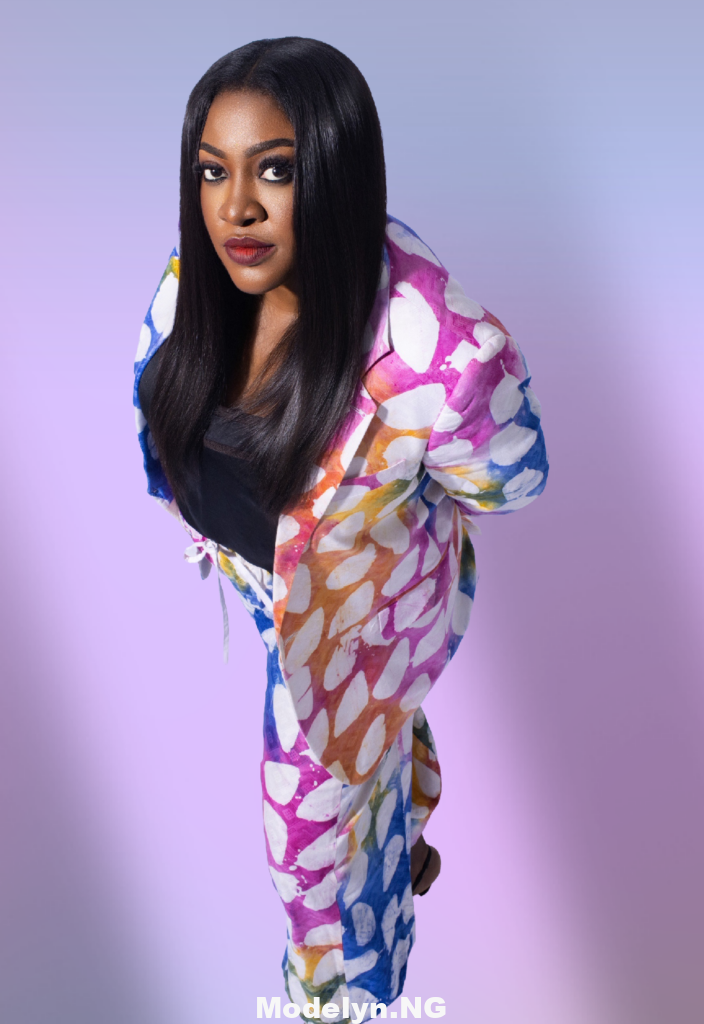 In this interview with online women feeds’s Executive Editor, Onah Nwachukwu, Yetunde Ogunnubi discusses her journey in building YD Company into a leading communications powerhouse, the lessons from a decade of shaping brand narratives in Africa, the evolution of public relations in a digital-first world, and her vision for the future of storytelling, creativity, and African influence on the global stage.
You have worked across fashion, arts, lifestyle, and corporate sectors. How has operating in such diverse industries influenced your approach to communication and brand-building?
It’s given me a massive competitive edge, honestly. Operating in such wildly different worlds has taught me that while industries change, the basic human desire for connection doesn’t.
Corporate taught me data, compliance, and rigorous structure. Fashion and lifestyle taught me soul, emotion, and visual storytelling. By blending the two, I don’t just build brands that look incredibly chic on the outside; I build brands that are structurally sound and highly profitable on the inside. It allows me to bring corporate discipline to creative spaces and creative, out-of-the-box thinking to corporate giants.
When you founded YD Agency in 2016, what gap did you identify in the market, and what challenges did you face while building the business into the award-winning company it is today?
Back in 2016, local PR was stuck in a very traditional rut. The gap was a distinct lack of digital-first, tech-forward brand architecture. PR back then was incredibly reactive, getting a client’s photo in a print newspaper or on a billboard and calling it a day, without any real data tracking or deep, digital storytelling. I wanted to shake up that narrative and build an agency that was tech-driven from day one.
The early challenges were real! A decade ago, convincing traditional clients to value digital PR, online perception, and data metrics over standard print was a tough sell. Add to that the everyday hurdles of building a business in Nigeria, like infrastructural deficits and training a world-class digital team from scratch. But we stuck to our digital guns, and pushing through those challenges is exactly what made us the award-winning powerhouse we are today.
 YD Company is celebrating its 10th anniversary this year. Looking back on the journey from its founding to where it stands today, what moments are you most proud of?
Hitting our 10th anniversary this June 26th is a beautiful, deeply emotional milestone for me. Surviving and thriving for a decade in a market as volatile as ours is a massive feat.
Looking back, my proudest moments are wrapped up in our consistency and our impact. I am incredibly proud of how we have consistently pioneered tech-driven communication without losing our edge. I’m also intensely proud of the brands we’ve helped scale from total obscurity into global household names. Watching an SME we anchored years ago command respect on the world stage is the ultimate reward. And finally, I’m proud of my team; they are the heartbeat of YD Company’s decade of excellence.
In today’s highly digital and fast-paced world, many brands struggle to maintain authenticity. What advice do you give clients about balancing visibility with credibility?
My advice is always simple:
“Visibility will get you noticed, but credibility is what actually keeps you in business.”
We live in a hyper-digital, fast-paced world where everyone is obsessed with chasing algorithms, going viral, and racking up cheap clicks. But you cannot compromise long-term trust for a short-term trend. I tell my clients to ground their brands in true, unshakeable values first. Don’t jump on every internet trend if it doesn’t align with who you are. Authenticity means your internal reality matches your public projection. True PR is a marathon; build credibility steadily, and the right kind of visibility will naturally follow.
 Having worked with SMEs, multinational brands, government institutions, and lifestyle businesses, what common mistakes do organisations make when it comes to public relations and reputation management?
The absolute biggest mistake? Treating PR like an afterthought or using it as a “fire extinguisher.” Too many brands only call a publicist when there’s a massive crisis to clean up or a product launch happening the very next morning.
PR is a proactive, long-term build; it’s about banking reputation equity before you need it. Another common slip-up is ignoring audience segmentation; you simply cannot pitch a tech-savvy Gen Z audience using the same rigid, formal communication style you’d use for a government ministry. Lastly, brands often forget to listen. True PR is a two-way conversation, not a megaphone. You have to listen to your community to manage your reputation effectively.
The PR industry has undergone significant changes due to social media, artificial intelligence, and changing consumer behaviour. How do you see the communications industry evolving over the next five to ten years?
We are heading straight into an era of hyper-personalisation and immersive tech. Over the next five to ten years, AI is going to effortlessly handle the heavy lifting, predictive analytics, basic content drafting, and data monitoring. Because of that, the role of the PR expert is going to shift entirely toward high-level strategy, cultural nuance, and deep emotional intelligence, things a machine simply cannot replicate.
We’re going to see communication expand into virtual spaces and digital-twin experiences. Consumers are also getting incredibly smart; they see right through traditional ads. The future belongs to communicators who can master tech and data while keeping the human heartbeat of storytelling completely alive.
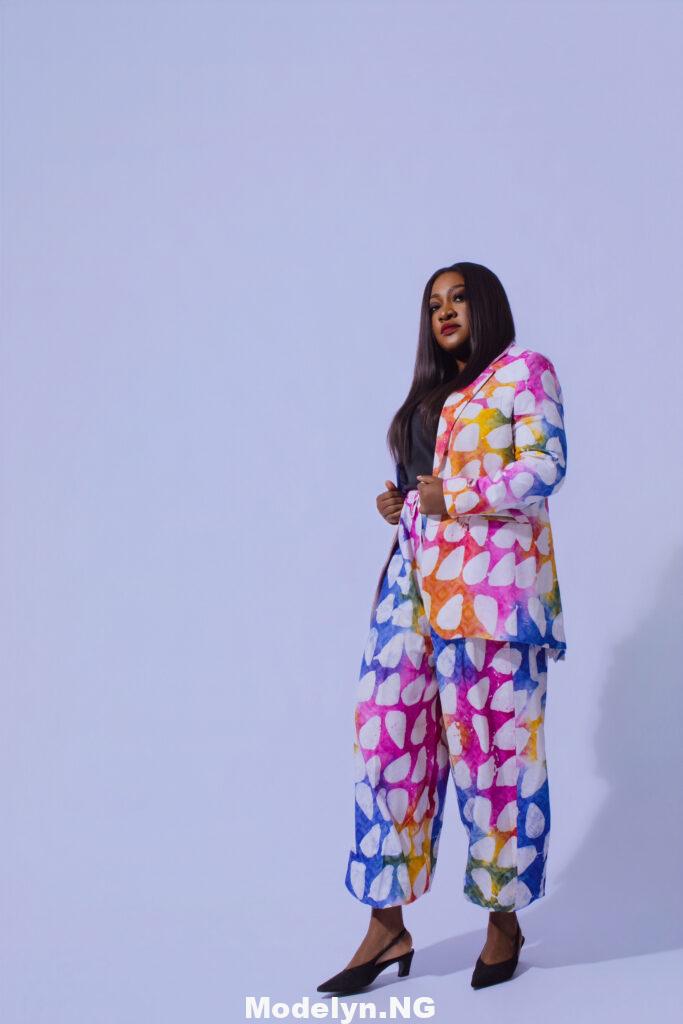 FashionEVO has become a respected platform at the intersection of fashion, culture, art, beauty, and technology. What inspired you to create FashionEVO, and what impact were you hoping to make when you started?
While YD Company continues to dominate the corporate and lifestyle PR spaces, FashionEVO was born strictly out of my passion to elevate the creative ecosystem. I saw an explosion of brilliant African fashion and lifestyle talent that was completely held back by a lack of digital infrastructure to scale globally.
I was inspired to create a tech-driven platform that went way beyond just pretty runway shows. I wanted to build an interactive space that supported the entire lifestyle vertical: fashion, beauty, art, and culture, using digital tools to drive actual creative education. My goal from day one was to shift global perception: to move African fashion away from being labelled as just “indigenous clothing” and get it recognised as global luxury, wearable art, and a highly lucrative business sector.
And we are just getting started! In the next couple of months, we are launching a brand-new, game-changing product under FashionEVO that is going to completely revolutionise how the industry operates and scales. Keep your eyes peeled for that—it’s going to be massive!
African fashion and creative industries are receiving increasing global attention. In your view, what still needs to happen for Africa to fully maximise its creative and cultural influence on the world stage?
We have the world’s attention; now we need a world-class infrastructure, strict intellectual property laws, and massive institutional funding. Attention doesn’t pay the bills or build factories.
We have to formalise our supply chains, upgrade our production capacities, and streamline capital for creative entrepreneurs. More importantly, as a fierce champion for Made in Nigeria, I believe we must fiercely own and control our narratives. We have to protect our intellectual property so that the financial rewards of our cultural export actually come back to boost our local economy. We need to stop exporting raw, unrefined talent and start exporting highly structured, finished luxury platforms.
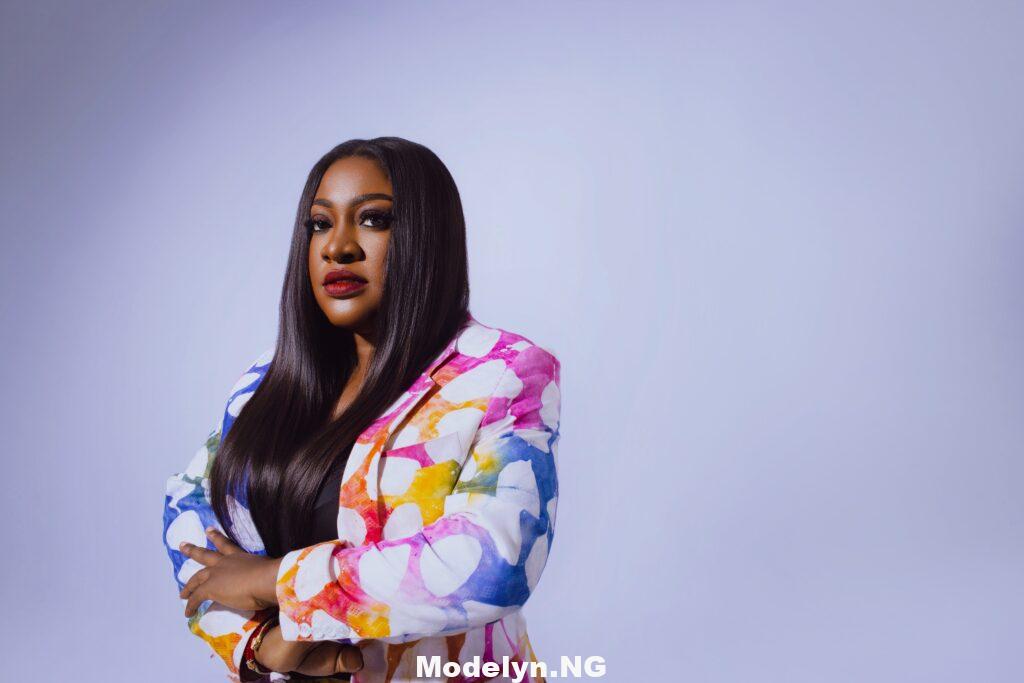 As someone who has received numerous awards and recognitions, including Female Entrepreneur of the Year and recognition among Nigeria’s leading CEOs, how do you personally define success today compared to when you first started your career?
When I first started my career, success for me was fueled entirely by raw passion and an obsession with delivering the absolute best results. I was and still am all about results. Back then, success meant making tangible changes that would better position my clients, elevating their visibility, and proving that our strategies could move the needle in a major way.
Today, that foundational drive hasn’t changed, but my definition of success has expanded from pure client results to legacy, impact, and peace of mind. Success to me now is about how many doors I can open for the next generation of female leaders, how sustainably my businesses run, and the tangible value I bring to my community. If my awards don’t make the path smoother for the next person, they are just empty trophies. Success is keeping that same passion for excellence alive, while living purposefully, serving authentically, and keeping my peace intact.
Beyond your professional achievements, you are deeply involved in mentorship, women’s empowerment, and community leadership. What motivates your commitment to these causes, and what impact do you hope to leave through them?
I am driven by the absolute truth that we rise by lifting others. True leadership isn’t about being at the top; it’s about service. My participation in the Academy for Women Entrepreneurs (AWE) over six years ago really opened my eyes to how structured mentorship can scale a female-led business, and I’ve vowed never to pull up the ladder behind me.
My civic work as the General Secretary of Lekki Phase 1, Lagos, is a direct, hands-on extension of that philosophy; it is my way of actively giving back and ensuring my immediate community thrives.
The impact I want to leave is all about execution and empowerment. I want to be remembered as a builder, someone who didn’t just talk about the future, but actually constructed the digital bridges, mentored the game-changers, and advocated for the infrastructure that allowed African creativity and community leadership to command global respect.
The post Yetty Ogunnubi: Redefining Communications in Africa first appeared on online women feeds.


